 MyAAGrapevines.Com - Comics (978)
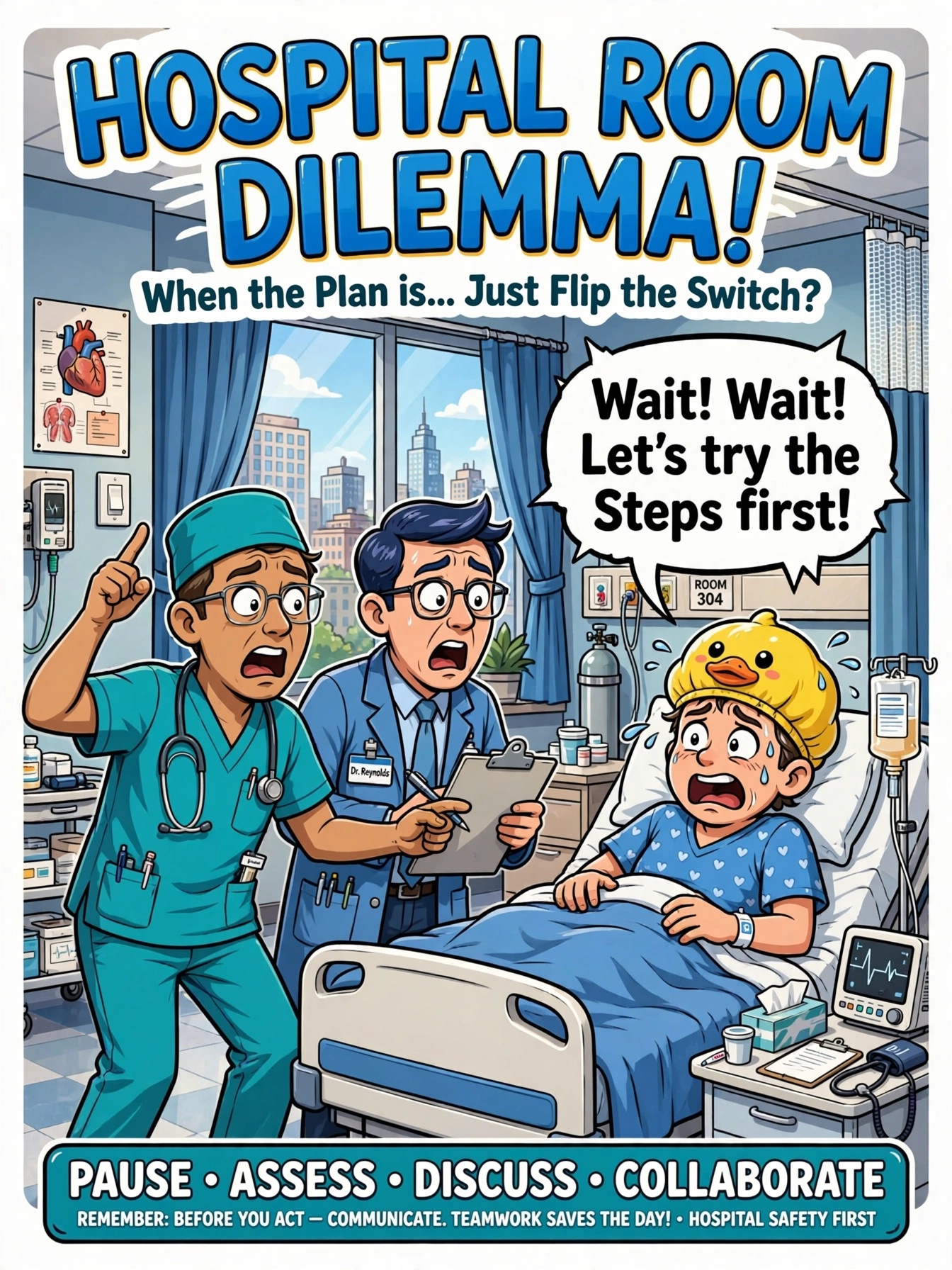
Laughter has played a vital role in the culture of Alcoholics Anonymous (AA) since June 1944. The Grapevine, AA's official magazine, features a variety of comics created by sober members who have found recovery in diverse environments, including church basements, prison groups, and around kitchen tables. This unique collection preserves 978 classic comics that capture major themes and moments in the AA journey. Among these are illustrations depicting the Steps in action, such as the humorous expression, "Wait, let's try the Steps first," which highlights the importance of following the program. The comics also address essential topics like sponsorship and making amends, with specific examples like, "Include your father in the Ninth Step," showcasing the personal nature of recovery work.
What sets this collection apart is the way it brings together decades of shared experience, strength, and hope. These comics not only entertain but also educate, allowing new members to see themselves reflected in the stories and jokes passed down through generations. The Grapevine's archives serve as a bridge between the early days of AA and the present, showing how humor has remained a constant, even as society and the fellowship have changed. The artists behind these comics often draw inspiration from real-life meetings, transforming everyday moments into memorable illustrations that resonate with readers across time and place.
Additionally, the collection includes representations of anonymity slips, playful jokes about the Big Book, relatable moments with coffee pots, and experiences of court-ordered newcomers, all of which reflect the varied paths individuals take when coming into the fellowship. The humor found in these comics often softens the seriousness of recovery, making the process more approachable and less intimidating for those just starting out. This lighthearted perspective can help break down barriers and encourage open conversations about the sometimes difficult topics faced in recovery.
A Visual Diary of AA History
For historians and researchers, this body of work serves as a visual diary that chronicles the evolution of AA language, dress, and meeting norms from 1944 to the present, providing insight into how the organization has adapted over the years. Reviewing the comics over time reveals not only changes in artistic style but also shifts in cultural attitudes, technology, and social expectations within the fellowship. For instance, earlier comics may focus on issues like secrecy and stigma, while more recent ones touch on topics such as online meetings or social media's role in anonymity.
Identification for Newcomers
For newcomers to the program, these comics offer a sense of instant identification, fostering a feeling of connection with others who have faced similar challenges in their journey toward recovery. Through humor and relatable scenarios, these comics contribute to a sense of community and support within the fellowship. They remind every reader that they are not alone and that laughter can be a powerful tool for healing and growth within the AA community.